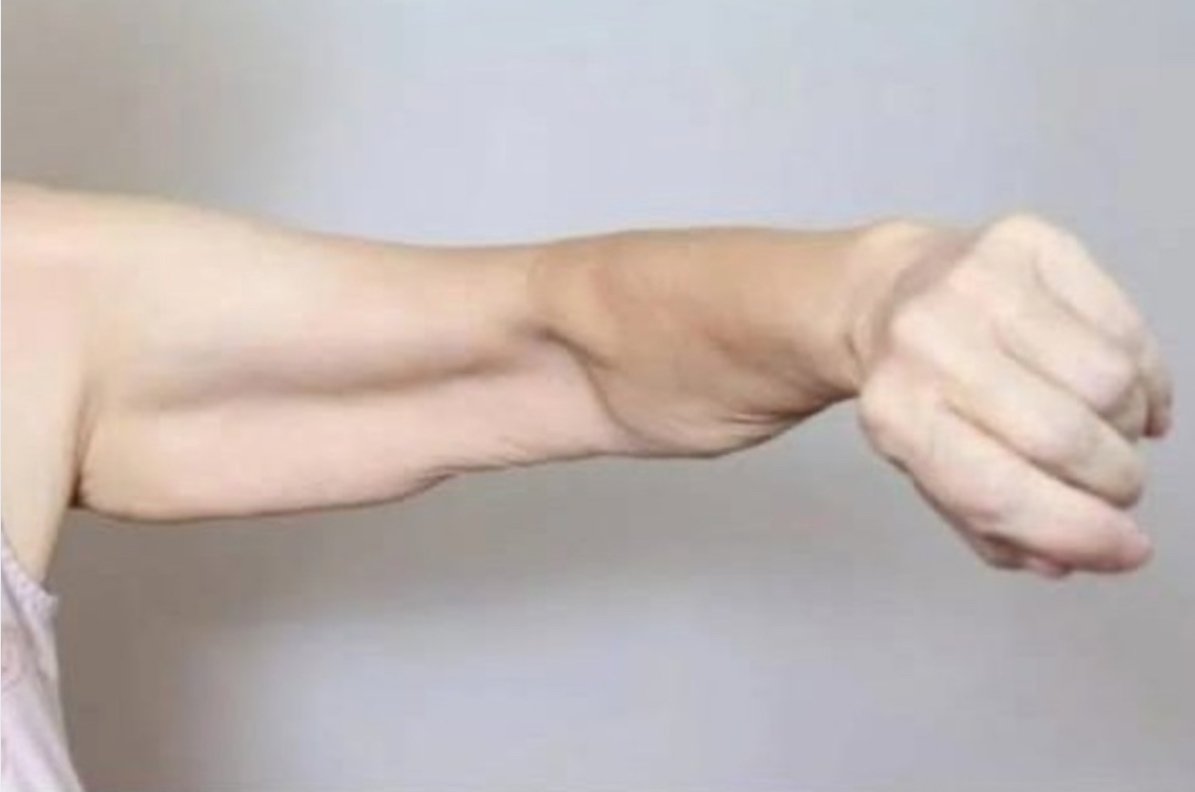
Everyday Tasks Feeling Harder? It Might Be Sarcopenia
ADVERTISEMENT
If carrying groceries, climbing stairs, or even standing up from a chair feels tougher than it used to, it may not just be “getting older.” These changes could be signs of sarcopenia—a condition where muscle mass and strength decline over time. It’s more common after age 50 and can quietly affect daily life, leading to fatigue, frailty, and even falls if left unchecked.
Unlike normal aging, sarcopenia is now recognized as a medical condition. It often starts subtly: a little less stamina, slower walking, or difficulty keeping up with physical tasks. But the earlier you spot it, the more you can do to slow it down.
What Causes Sarcopenia?
Muscle loss can begin as early as age 30, but the process speeds up around age 60. Several factors contribute:
- Nutrient deficiencies – especially low protein and vitamin D
- Hormonal changes that affect muscle repair and growth
- Sedentary lifestyle with little strength training or movement
- Poor diet lacking essential vitamins and minerals
The good news? Many of these causes can be improved with diet, exercise, and simple lifestyle changes.
Warning Signs to Watch For
Sarcopenia doesn’t always come with obvious symptoms. Some early red flags include:
- Feeling weaker or more tired than usual
- Trouble standing up from a chair or bed
- Slower walking speed
- Unintentional weight loss
These may seem minor, but if you notice them, it’s worth discussing with a doctor.
How to Prevent and Manage Sarcopenia
The best part is that you can take action—starting today. Research shows that lifestyle changes make a huge difference:
- Strength training: Even light resistance exercises help maintain and build muscle.
- Eat more protein: Lean meats, eggs, beans, nuts, and dairy support muscle repair.
- Get enough vitamin D: Spend time outdoors, eat fortified foods, or take supplements if needed.
- Stay active: Walking, stretching, and moving daily keep circulation and mobility strong.
The Bottom Line
Sarcopenia doesn’t have to define your later years. By recognizing the signs early and making small but consistent changes, you can maintain strength, independence, and energy well into your 60s, 70s, and beyond. It’s not about reversing time—it’s about staying strong and living life on your own terms.