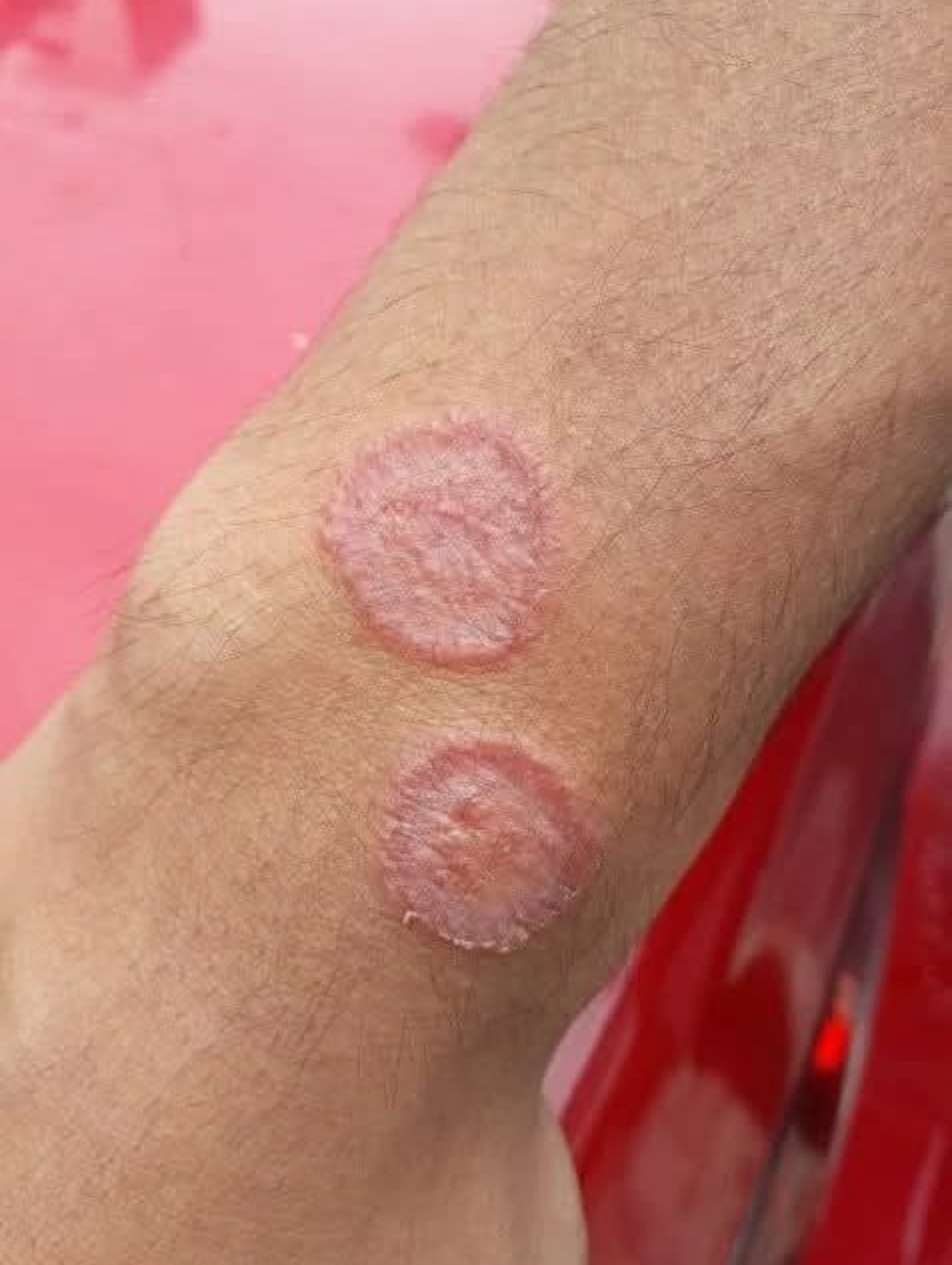
3 things to know about ringworms before you worry—they’re common, treatable, and not caused by worms at all. Despite the name, ringworm is not a parasite. It’s a fungal infection of the skin, nails, or scalp, medically known as tinea. This misleading name comes from the circular, ring-like appearance of the rash it causes.
ADVERTISEMENT
What Ringworm Really Is
Ringworm is caused by a type of fungus called dermatophytes, which thrives on keratin, the protein in your skin, hair, and nails. It spreads easily through direct contact with an infected person, animal, or contaminated object, like towels, combs, or gym equipment. Children and athletes are particularly prone because of close physical contact and warm, sweaty environments.
The infection usually appears as red, circular patches with slightly raised edges. In some cases, the skin inside the ring looks clear or scaly. On the scalp, ringworm can cause hair loss in patches, and when it affects nails, it may lead to thickened, discolored, or brittle nails.
Common Symptoms
Ringworm can appear in different parts of the body, and symptoms vary depending on the location:
- Body (tinea corporis): Circular, itchy, red rash with raised edges.
- Scalp (tinea capitis): Hair loss, scaly patches, and sometimes swelling or pus-filled bumps.
- Feet (athlete’s foot, tinea pedis): Itchy, peeling, and cracked skin, often between toes.
- Groin (jock itch, tinea cruris): Red, itchy rash in warm, moist areas.
- Nails (tinea unguium): Thickened, discolored, and brittle nails.
Ringworm is usually itchy, but sometimes it may be mild and unnoticed.
How Ringworm Spreads
Ringworm is highly contagious. It can spread through:
- Skin-to-skin contact with an infected person or animal (especially cats and dogs).
- Contact with contaminated objects, like clothing, towels, combs, or sports gear.
- Warm, moist environments, which encourage fungal growth.
Good hygiene, keeping skin dry, and avoiding sharing personal items can help prevent infection.
Treatment Options
The good news: ringworm is treatable, usually without complications if addressed early.
- Topical antifungal creams: For most skin infections, over-the-counter creams containing clotrimazole, terbinafine, or miconazole work well.
- Oral antifungal medications: For scalp or nail infections, prescription medications like terbinafine or griseofulvin are often necessary.
- Home care: Keep affected areas clean and dry, avoid scratching, and wash clothing, bedding, and towels frequently.
Treatment usually lasts 2–6 weeks, depending on severity and location.
Myths and Misconceptions
- Ringworm isn’t caused by worms. It’s fungal.
- Pets can spread it. Cats and dogs can carry ringworm without obvious symptoms.
- Not everyone shows the classic ring. Some infections appear irregular or patchy.
When to See a Doctor
- Rash persists beyond 2 weeks despite over-the-counter treatment.
- Infection affects the scalp or nails, which are harder to treat.
- Rash is widespread, painful, or accompanied by fever or pus, which may indicate a secondary infection.
Early diagnosis and proper treatment prevent spreading and complications.