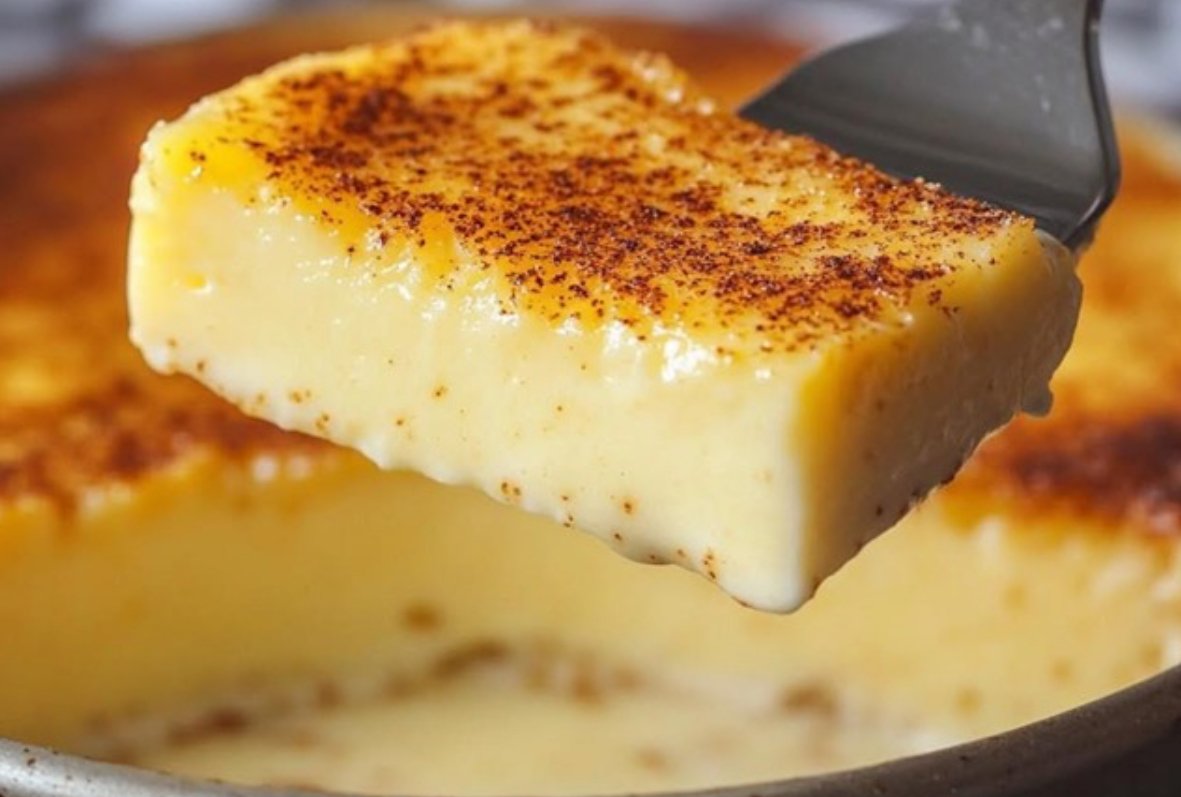
The Comforting Origins of Baked Egg Custard
Baked egg custard is one of those timeless desserts that has been passed down through generations, often tied to family traditions. Originating in European kitchens centuries ago, custards became popular as a way to transform simple ingredients—milk, eggs, and sugar—into something silky, comforting, and deeply satisfying. In many households, it was considered a healing dish, often served when someone was sick or needed a little extra warmth. The recipe is versatile, enjoyed across cultures in slightly different forms, from British baked custard to French crème caramel. What makes this dessert special is its simplicity: with just a handful of pantry staples, you can create a velvety dessert that feels both nostalgic and elegant.
ADVERTISEMENT
Why These Ingredients Make It Work
Every ingredient in baked egg custard serves a specific role. Eggs are the backbone of the dish, giving structure while creating the silky texture custard is known for. Milk provides creaminess, and using whole milk gives the best results, though 2% works if you prefer something lighter. Sugar balances the richness of the eggs and milk, while vanilla adds warmth and depth of flavor. A pinch of salt enhances all the sweet notes, making the custard taste richer without being overwhelming. Finally, nutmeg on top gives the dish an aromatic finish, adding both fragrance and subtle spice. When baked in a water bath, these simple ingredients transform into a luscious dessert that is smooth, creamy, and comforting.
Why You’ll Love This Recipe at Home
This No-Fail Baked Egg Custard recipe is not only delicious but also easy to master. With just a few simple steps, you can achieve perfect results every time, even if you’re new to baking custards. It’s a versatile dessert—you can serve it warm straight from the oven for cozy comfort, or chilled from the fridge for a refreshing treat. It pairs beautifully with fresh fruit, whipped cream, or even a drizzle of caramel sauce for added indulgence. Plus, this custard is naturally gluten-free, making it a great option for different dietary needs. The recipe is also a wonderful way to carry on family traditions, whether you’re recreating memories from childhood or starting new ones with your own loved ones.
Ingredients
- 5 large eggs
- ½ cup granulated sugar
- 1½ teaspoons vanilla extract
- ½ teaspoon salt
- 4 cups whole milk or 2% milk
- Ground nutmeg, for topping
Step-by-Step Instructions
Step 1: Preheat and Prepare
Preheat your oven to 350°F (175°C). Lightly grease an 8×8-inch baking dish to prevent sticking.
Step 2: Whisk the Base
In a large mixing bowl, whisk together the eggs, sugar, vanilla, and salt until the mixture is smooth and well blended. This will be the base of your custard.
Step 3: Warm the Milk
In a small saucepan, heat the milk over medium heat until it reaches about 180°F—just before simmering. Be careful not to let it boil, as this could change the texture of your custard.
Step 4: Temper the Eggs
Slowly pour the hot milk into the egg mixture in a thin stream while whisking constantly. This gentle process prevents the eggs from curdling and ensures a smooth, creamy custard. Continue whisking for another minute.
Step 5: Assemble for Baking
Pour the custard mixture into your prepared dish. Sprinkle the top lightly with ground nutmeg for extra aroma and flavor.
Step 6: Bake in a Water Bath
Place the custard dish into a larger pan. Pour hot water into the outer pan until it reaches about 1 inch up the sides of the custard dish. This water bath method helps the custard bake evenly without cracking or curdling. Bake for 45–50 minutes, or until a knife inserted near the center comes out clean.
Step 7: Cool and Serve
Let the custard cool slightly before serving. Enjoy warm for a cozy dessert or chill in the refrigerator for a firmer texture. Garnish with whipped cream, cinnamon, or fresh fruit if desired.
Recipe Timing
- Prep Time: 15 minutes
- Cook Time: 50 minutes
- Total Time: 1 hour 5 minutes
- Servings: 6–8
Nutrition Information (per serving)
- Calories: 220 kcal
- Carbohydrates: 20g
- Protein: 8g
- Fat: 10g
- Saturated Fat: 5g
- Sugar: 18g
1. How do I know when egg custard is done?
The custard should be set but still have a gentle jiggle in the center. A knife inserted near the middle should come out mostly clean. Overbaking will cause the texture to become grainy.
2. Can I use skim milk instead of whole milk?
Yes, but whole milk gives the richest, creamiest texture. Skim or low-fat milk will work, but the custard may turn out slightly less silky.
3. How can I stop custard from curdling?
Always temper the eggs by slowly adding hot milk while whisking. Also, bake in a water bath and avoid baking at too high of a temperature.
4. Can I add flavors to this recipe?
Absolutely! Try adding a pinch of cinnamon, almond extract, or even a splash of rum extract for a unique twist.
5. How long does baked egg custard last?
Store leftovers in the refrigerator for up to 3 days. Cover the dish with plastic wrap to prevent it from absorbing fridge odors.