Is Stale Bread Safe to Eat? What You Need to Know
ADVERTISEMENT
Stale or Moldy: How to Tell the Difference
We’ve all stood in the kitchen staring at a loaf of bread that’s gone hard and wondering, “Is this still safe… or should I toss it?” The good news is that stale bread—dry, firm, or slightly crusty—is generally safe to eat. It’s simply lost moisture, a process called starch retrogradation, which changes the texture but doesn’t make it harmful. Stale bread may not be appealing to eat plain, but it’s actually a secret kitchen helper with lots of culinary uses.
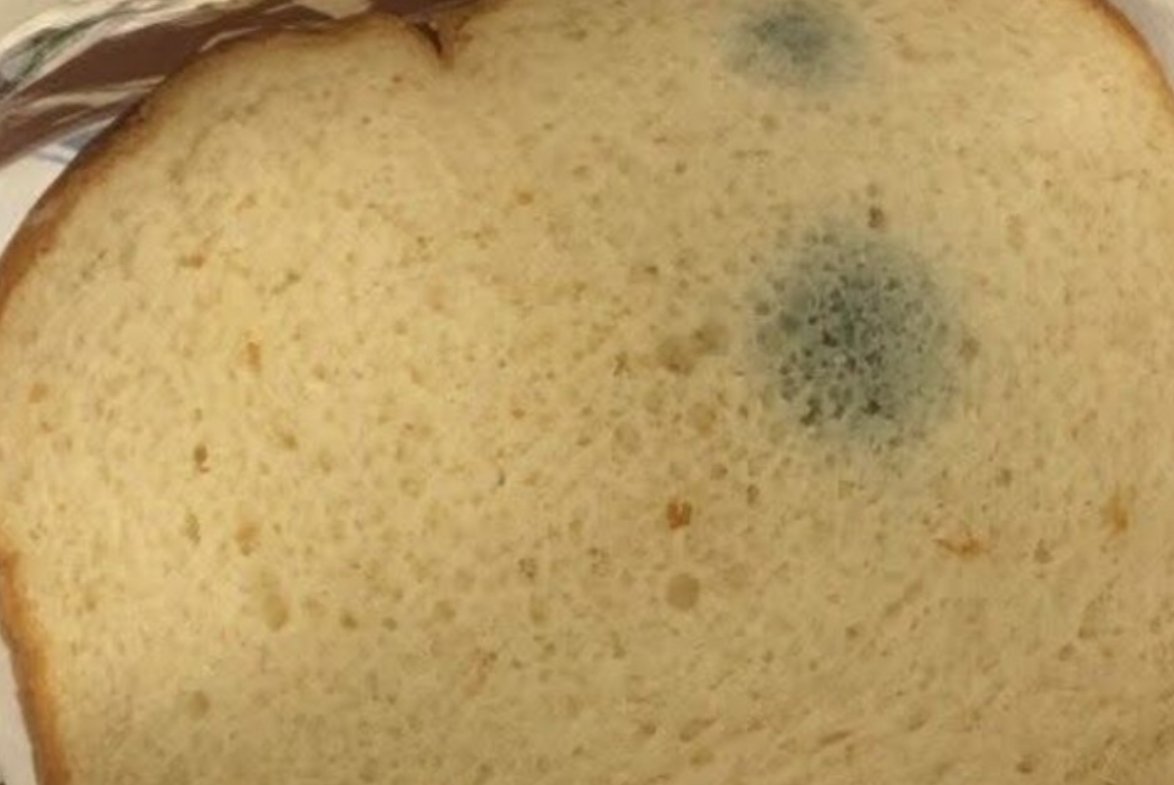
On the other hand, moldy bread is a different story. If you spot green, blue, or black spots, it’s time to throw the whole loaf away. Bread is porous, so mold spreads invisibly, and consuming it can lead to allergic reactions, respiratory issues, or exposure to mycotoxins. Cutting off moldy parts isn’t safe.
How to Use Stale Bread: Delicious Ideas
Instead of tossing a dried-out loaf, think creatively:
- Breadcrumbs: Pulse in a food processor, dry further, and store airtight. Perfect for meatballs, casseroles, or breading.
- Croutons: Cube, toss with olive oil and seasoning, bake until crisp. Great for soups or salads.
- French Toast: Stale bread soaks up custard without falling apart.
- Bread Pudding & Stuffing: Old bread absorbs rich custard or savory flavors beautifully.
- Panzanella: This Italian salad relies on slightly stale bread for a chewy, satisfying texture.
Stale bread often works better than fresh for recipes that require soaking or baking.
Proper Storage to Keep Bread Fresh Longer
Bread molds faster depending on moisture, temperature, and preservatives. Fresh bakery bread lasts 2–3 days at room temperature; store-bought loaves can last about a week in plastic. Refrigeration usually accelerates staling, so avoid it unless your kitchen is very hot or humid. For long-term storage, freeze sliced bread tightly wrapped in a freezer bag.
Best practices by bread type:
- Artisan/Sourdough: Paper bag or bread box at room temp (2–3 days); freeze for longer.
- Sandwich Loaf: Keep in original bag; freeze after opening.
- Homemade Bread: Freeze what you won’t eat soon due to lack of preservatives.
Final Thoughts
Stale bread is safe and often a better choice for cooking, while moldy bread is unsafe and should be discarded. Knowing the difference helps reduce waste, save money, and even inspire new recipes. Next time you see a firm loaf, don’t see trash—see culinary potential.