The History of Walnut Praline Candy
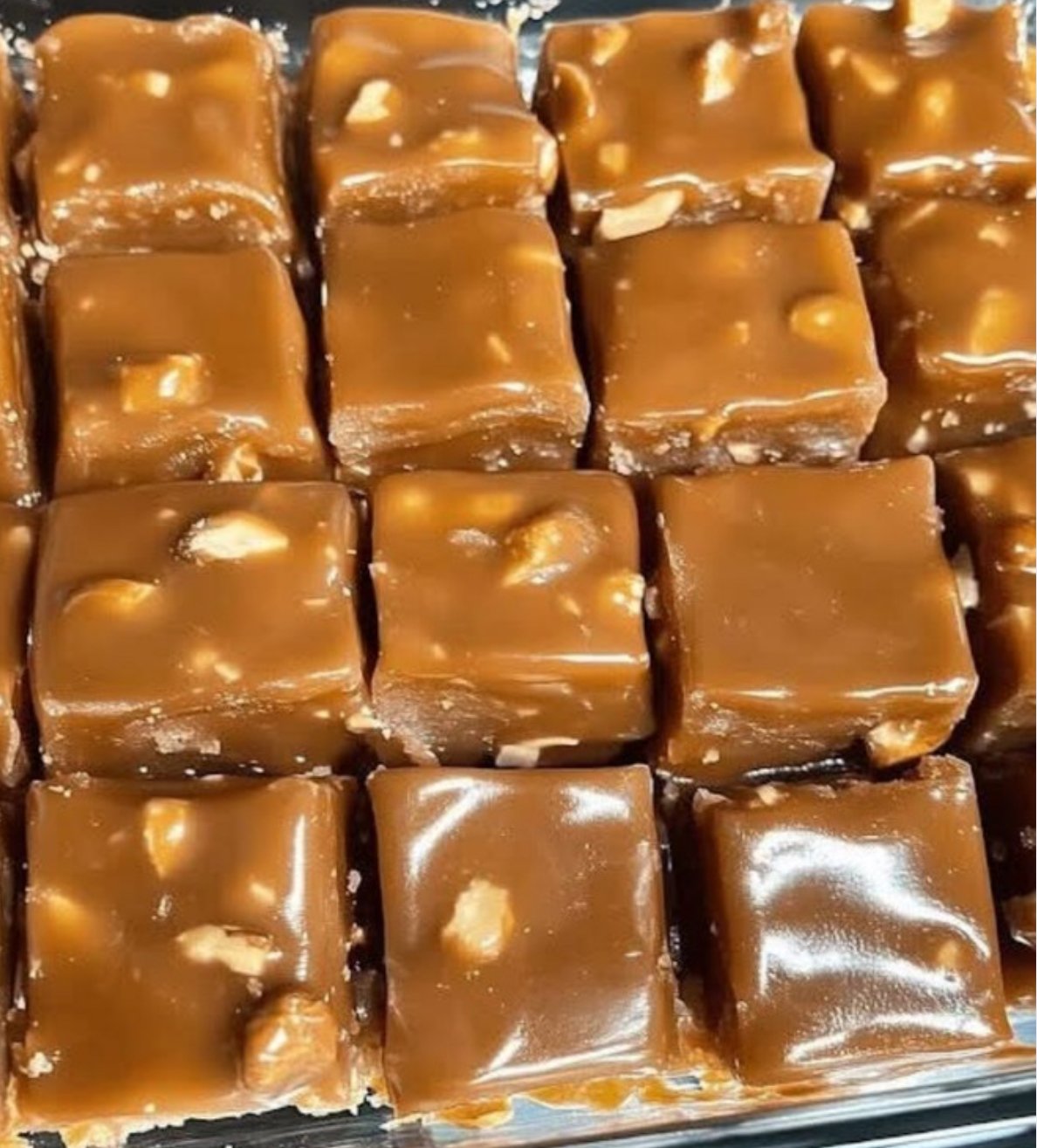
Walnut praline candy has roots in French confectionery but became especially popular in the American South, where pralines are often made with pecans. In this recipe, walnuts bring a slightly bolder, earthy flavor that balances perfectly with the caramelized sugar. Traditional pralines were introduced to New Orleans by French settlers in the 18th century, and they quickly adapted to local ingredients. Over time, this candy became a holiday staple in many U.S. households, often made in large batches for gifting. Today, praline-style candies are cherished across the world for their creamy, nutty texture and timeless sweetness.
ADVERTISEMENT
Why Walnuts Make This Candy Special
Walnuts are more than just a crunchy addition they’re packed with healthy fats, antioxidants, and omega-3s. In candy-making, walnuts add a depth of flavor that contrasts beautifully with the richness of caramelized sugar and cream. Unlike pecans, walnuts carry a slightly bitter undertone that prevents the candy from becoming overly sweet. When folded into the glossy mixture, the walnuts not only add crunch but also enhance the overall flavor profile. They also provide a nutritional boost, making this dessert a little more balanced compared to other sugar-heavy treats. Using fresh, high-quality walnuts is key to achieving the best taste.
The Magic of Caramelization
At the heart of praline candy lies the process of caramelization. When sugar melts and reaches the softball stage (around 244°F or 118°C), it transforms into a smooth, rich base that’s perfect for binding nuts. This stage is crucial because it determines the candy’s final texture—soft enough to bite into, yet firm enough to hold its shape. The addition of cream and butter creates a luscious, fudge-like consistency, while vanilla adds aromatic warmth. Allowing the mixture to rest ensures the right crystallization before the nuts are stirred in. This simple but magical process is why homemade praline candy always tastes better than store-bought.
ADVERTISEMENT
Ingredients
- 2 cups heavy cream
- 1 ½ cups walnuts or pecans, chopped
- ½ cup unsalted butter
- 1 teaspoon vanilla extract
- ¼ teaspoon baking soda
- 6 cups sugar (2 cups + 4 cups, divided)
Instructions
Step 1: Prepare the Dish
Grease a 9×13-inch baking dish and set aside.
Step 2: Melt the First Sugar
In a small saucepan, melt 2 cups of sugar over low heat, stirring until fully liquefied (about 20 minutes).
Step 3: Make the Cream Mixture
In a Dutch oven, combine the remaining 4 cups sugar with the heavy cream. Simmer gently.
Step 4: Combine Both Sugars
Pour the melted sugar into the cream mixture, stirring constantly.
Step 5: Cook to Softball Stage
Raise heat to medium and cook until mixture reaches 244°F (118°C). Test by dropping into cold water it should form a soft ball.
Step 6: Add Baking Soda
Remove from heat and stir in baking soda until well blended.
Step 7: Enrich & Flavor
Add butter and vanilla extract, stirring until smooth.
Step 8: Rest & Add Nuts
Let the mixture rest for 20 minutes, then stir in walnuts until no longer glossy.
Step 9: Set & Slice
Pour into the baking dish, cool 1–2 hours (or overnight), and cut into squares.
Timing & Nutrition
- Prep Time: 10 minutes
- Cook Time: 40 minutes
- Cooling Time: 1–2 hours
- Total Time: About 2.5 hours
- Servings: 24 pieces
Nutrition (per serving, approx.):
- Calories: 220
- Fat: 9g
- Carbohydrates: 32g
- Sugar: 28g
- Protein: 2g
Walnut Praline Candy
Can I use pecans instead of walnuts?
Yes! Pecans are the traditional nut for pralines, especially in the South. They’re softer and naturally sweeter, while walnuts offer a bolder taste. Both work beautifully.
How do I know when the sugar mixture is ready?
The key is reaching the softball stage (244°F). Without a thermometer, drop a little into cold water it should form a soft ball you can flatten between your fingers.
How long does walnut praline candy last?
Stored in an airtight container at room temperature, praline candy lasts up to 2 weeks. For longer storage, freeze it for up to 2 months.
Why is my candy grainy?
Graininess happens when sugar crystals reform during cooking. Stir gently, avoid scraping the sides of the pot, and make sure to let the mixture rest before adding nuts.
Can I double this recipe?
Yes, but be careful—the larger the batch, the trickier it is to control caramelization. Use a heavy-bottomed pot and stir constantly to prevent burning.