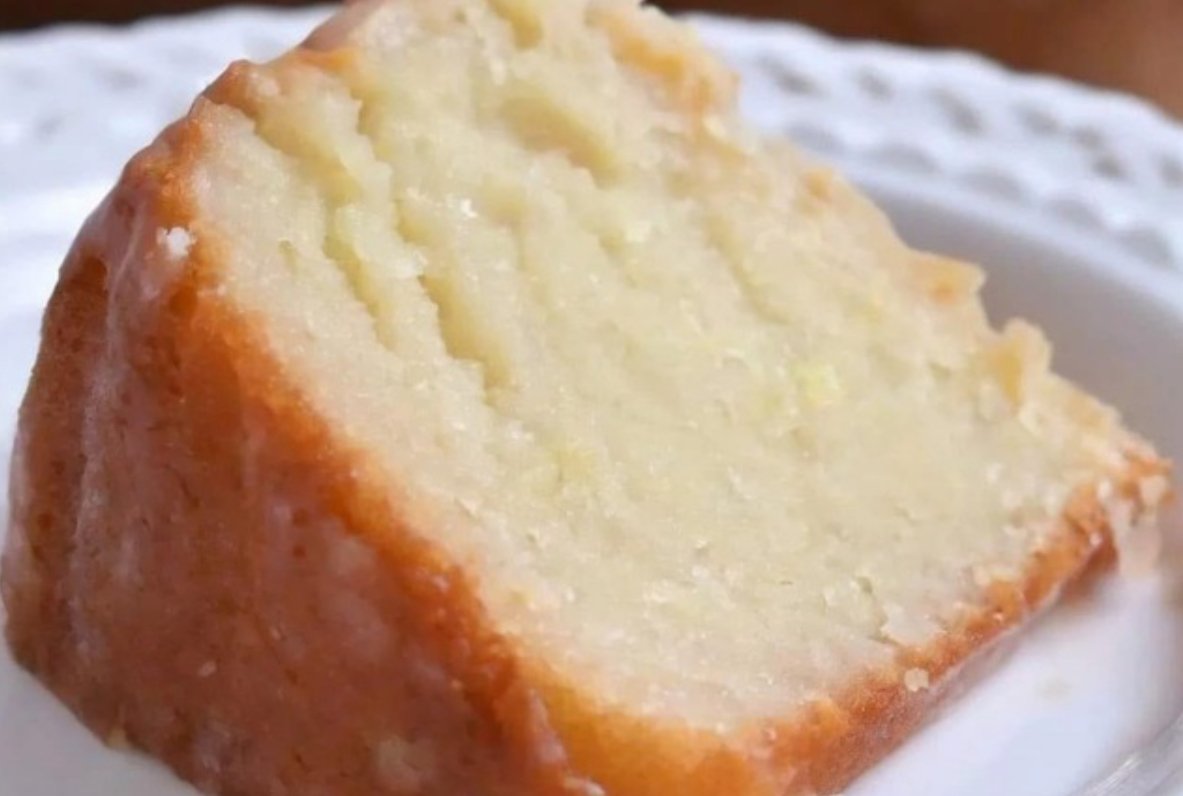
The Southern Roots of Kentucky Butter Cake
Kentucky Butter Cake is a beloved Southern classic that has been enjoyed at family gatherings, church socials, and holidays for decades. While its exact origins are debated, it is widely believed to have first gained popularity in Kentucky, where rich, buttery desserts became a tradition in Southern cuisine. Unlike simple pound cakes, this cake is unique because it’s soaked in a warm butter syrup right after baking, giving it a tender crumb and a sweet crust. The combination of vanilla and rum extracts adds warmth and depth, making every bite taste like comfort. Many home bakers love this recipe because it keeps well for several days and even tastes better the next day.
ADVERTISEMENT
Why the Ingredients Work So Well Together
The secret to this recipe lies in the balance of ingredients. The butter and shortening work hand in hand while butter adds flavor, shortening ensures the cake stays moist and doesn’t dry out. Buttermilk is another key player, giving the cake a slight tang that enhances the overall sweetness while also tenderizing the crumb. Eggs provide structure, sugar creates caramelization, and extracts like vanilla and rum infuse a rich aroma that lingers in every bite. Then comes the syrup: a glossy mixture of butter, sugar, and flavoring poured directly into the warm cake. This syrup soaks into the crumb and coats the outside, ensuring that the cake stays soft and flavorful. The ingredients may look simple, but together, they create a cake that feels indulgent and unforgettable.
Why You’ll Love This Cake at Home
This cake isn’t just about flavor it’s about experience. When you bake Kentucky Butter Cake, your entire home fills with the smell of vanilla, rum, and butter, creating a cozy and welcoming atmosphere. It’s versatile, too: serve it plain with coffee, dust it with powdered sugar for a rustic look, or pair it with whipped cream and fresh berries for a more elegant dessert. It’s also a forgiving recipe, making it great for beginner bakers. The syrup ensures moisture even if the cake is slightly overbaked, which is why it’s become such a reliable favorite. Families often call this a “keeper recipe” because once you make it, it’s likely to become part of your regular dessert rotation. Whether for Sunday dinner or a holiday table, this cake always makes an impression.
Ingredients
For the Cake:
- 3 cups all-purpose flour
- 1 tsp baking powder
- ½ tsp salt
- 16 tbsp (2 sticks) unsalted butter, room temperature
- ½ cup butter-flavored shortening
- 3 cups granulated sugar
- 5 large eggs, room temperature
- 2 tsp vanilla extract
- ¼ tsp rum extract
- 1 cup buttermilk
For the Butter Syrup:
- 12 tbsp (1 ½ sticks) unsalted butter
- 1 ½ cups granulated sugar
- ⅓ cup water
- 1 tsp vanilla extract
- ½ tsp rum extract
Step-by-Step Instructions
Step 1: Prepare the Pan
Preheat your oven to 325°F (160°C). Grease and flour a bundt pan thoroughly, making sure to coat all ridges so the cake releases easily after baking.
Step 2: Mix Dry Ingredients
In a medium bowl, whisk together flour, baking powder, and salt. This ensures even distribution and prevents clumping.
Step 3: Cream Butter and Shortening
In a large mixing bowl, beat butter and shortening until smooth and creamy. This forms the base of your cake’s fluffy texture.
Step 4: Add Sugar and Eggs
Slowly add sugar while beating on low speed until the mixture is light and airy. Add eggs one at a time, mixing well after each addition.
Step 5: Add Extracts and Buttermilk
Stir in vanilla and rum extracts. Alternate adding the flour mixture and buttermilk until just combined. Do not overmix.
Step 6: Bake the Cake
Pour the batter into the prepared bundt pan. Tap lightly to remove air bubbles. Bake for 75–80 minutes or until a toothpick comes out with only moist crumbs.
Step 7: Make the Syrup
While the cake bakes, melt butter in a saucepan. Stir in sugar and water until dissolved but not boiled. Remove from heat, then add vanilla and rum extracts.
Step 8: Soak the Cake
Remove the cake from the oven and immediately poke holes all over with a skewer. Spoon the warm syrup slowly into the cake so it seeps in.
Step 9: Cool and Flip
Let the cake rest for 15 minutes before flipping onto a cooling rack. Brush any reserved syrup over the outside for added flavor.
Step 10: Serve and Store
Dust with powdered sugar if desired. Store covered at room temperature—it will stay moist for up to 4 days and tastes even better the next day.
Recipe Timing
- Prep Time: 20 minutes
- Cook Time: 1 hour 20 minutes
- Cooling Time: 1 hour
- Total Time: ~3 hours
Nutrition Information (per slice, 10 servings)
- Calories: 550
- Carbohydrates: 68g
- Protein: 6g
- Fat: 28g
- Saturated Fat: 16g
- Cholesterol: 110mg
- Sodium: 290mg
- Sugar: 48g
1. Can I make Kentucky Butter Cake without rum extract?
Yes! If you don’t want to use rum extract, substitute it with almond or lemon extract. Vanilla alone works beautifully as well, though rum extract adds depth.
2. Why does Kentucky Butter Cake taste better the next day?
Because the syrup has more time to soak into the cake. By the next day, the crumb is fully infused, making it softer, richer, and more flavorful. Many bakers recommend baking this cake the night before serving.
3. Can I freeze Kentucky Butter Cake?
Yes. Allow the cake to cool completely, then wrap slices tightly in plastic wrap and store in an airtight container. It will freeze well for up to 2 months. Thaw at room temperature before serving.
4. What can I serve with Kentucky Butter Cake?
It’s delicious on its own, but whipped cream, berries, caramel drizzle, or even ice cream make excellent pairings. The cake is versatile enough to be dressed up for special occasions or served simply with coffee.
5. How do I prevent the cake from sticking to the bundt pan?
Grease every part of the pan with butter or shortening, then dust with flour. You can also use baking spray with flour for an easier method. Allow the cake to cool slightly before flipping to avoid breakage.