The Delicious History of Cream Cheese Cake
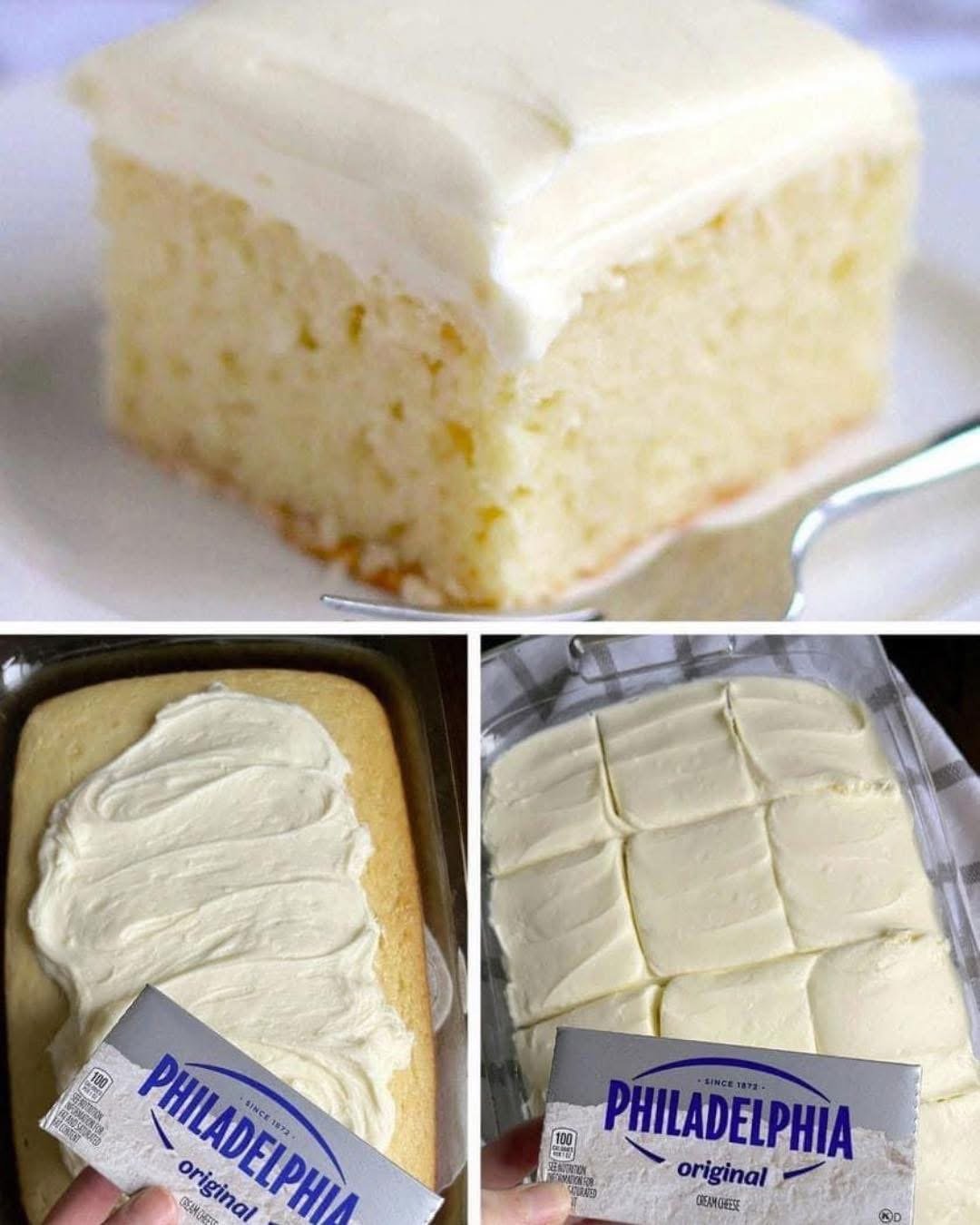
Cream cheese cake has been a beloved dessert for decades, blending creamy, tangy cream cheese with the sweetness of sugar and the lightness of flour and eggs. Originating in the United States, this style of cake became popular in the mid-20th century and quickly made its way into bakeries and family kitchens alike. The beauty of cream cheese cake lies in its versatility: it can be made as a dense cheesecake-style dessert, or light and airy, as in this recipe. The use of vanilla frosting adds an extra layer of indulgence while balancing the tangy flavor of the cream cheese. Whether served at celebrations, potlucks, or cozy family dinners, this cake remains a crowd-pleaser.
ADVERTISEMENT
Why Cream Cheese is Key for Moist, Fluffy Cake
Cream cheese isn’t just a frosting ingredient—it’s the secret to a tender, moist cake that melts in your mouth. When combined with vegetable oil and buttermilk, cream cheese creates a rich texture that holds its shape while remaining soft. The proteins in the cream cheese stabilize the batter, giving the cake structure, while its natural fats keep the crumb delicate. This recipe highlights how cream cheese can elevate a simple vanilla cake into something extraordinary. When baked properly and topped with creamy vanilla frosting, every bite offers a perfect balance of tangy richness and sweet softness that makes this dessert unforgettable.
The Art of Frosting: Vanilla Magic
The vanilla frosting complements the cake perfectly, bringing both flavor and texture. By combining cream cheese and butter with powdered sugar, the frosting becomes silky, smooth, and luscious. Vanilla extract enhances the creaminess, adding aromatic sweetness that balances the tang from the cake. A well-prepared frosting not only tastes amazing but also adds visual appeal, turning a simple homemade cake into a showstopper dessert. Frosting immediately after the cake cools ensures a smooth finish and keeps the cake moist. This frosting is versatile enough to pipe beautifully or simply spread, making it ideal for celebrations, tea-time treats, or as a gift for friends and family.
ADVERTISEMENT
Ingredients
For the Cake:
- 1 (8 oz) package cream cheese, room temperature
- ¾ cup vegetable oil
- 2 cups granulated sugar
- 3 large eggs
- 1½ teaspoons vanilla extract
- 3 cups all-purpose flour
- 1 tablespoon baking powder
- 1½ teaspoons salt
- 1¼ cups buttermilk
For the Frosting:
- 1 cup butter, room temperature
- 1 (8 oz) package cream cheese, room temperature
- 2 teaspoons vanilla extract
- ½ teaspoon salt
- 4–5 cups powdered sugar
Step-by-Step Instructions
Step 1: Preheat the Oven
Preheat your oven to 325°F (163°C). Grease and flour a 9×13-inch baking dish for even cooking.
Step 2: Beat the Cream Cheese
In a large bowl, beat the cream cheese until smooth and creamy.
Step 3: Add Oil and Sugar
Mix in the vegetable oil and granulated sugar until the batter is fluffy and well combined.
Step 4: Incorporate Eggs and Vanilla
Add the eggs, one at a time, beating well after each addition. Stir in vanilla extract.
Step 5: Combine Dry Ingredients
Sift together flour, baking powder, and salt. Gradually add to the wet mixture, mixing until just combined.
Step 6: Fold in Buttermilk
Gently fold in the buttermilk until the batter is smooth.
Step 7: Bake the Cake
Pour the batter into the prepared pan and spread evenly. Bake for 35–40 minutes, or until a toothpick inserted in the center comes out clean.
Step 8: Cool Completely
Allow the cake to cool completely in the pan before frosting.
Step 9: Prepare Frosting
Beat cream cheese and butter together until smooth. Gradually add powdered sugar, salt, and vanilla extract. Mix until creamy and fluffy.
Step 10: Frost and Serve
Spread frosting evenly over the cooled cake. Refrigerate for 30 minutes before serving. Slice and enjoy!
Timing & Nutrition
- Prep Time: 20 minutes
- Cook Time: 40 minutes
- Total Time: 1 hour
- Servings: 12
- Calories per Serving: 420 kcal
Q1: Can I make this cake ahead of time?
Yes! Bake the cake a day before serving. Store it covered in the fridge and frost just before serving for maximum freshness.
Q2: Can I use milk instead of buttermilk?
Yes! Add 1 tablespoon of lemon juice or vinegar to 1¼ cups milk and let it sit for 5 minutes before using.
Q3: Can I freeze this cake?
Yes, the unfrosted cake can be frozen for up to 2 months. Thaw before adding frosting.
Q4: How can I make the frosting thicker?
Add more powdered sugar, one tablespoon at a time, until desired consistency is achieved.
Q5: Can I use this frosting for cupcakes?
Absolutely! This frosting works beautifully on cupcakes, cinnamon rolls, or cookies.